Melasma
Comprehensive Melasma Solutions: Advanced Treatments at Dermaqure

Living with melasma can be an emotionally challenging experience. The appearance of dark, uneven patches on your skin can profoundly affect your self-esteem and confidence. Each day may bring a new struggle as you try to cover or hide these marks, often feeling disheartened by the lack of visible progress. The emotional toll of melasma goes beyond physical appearance, impacting how you feel about yourself and how you interact with the world. At Dermaqure, we understand the emotional and psychological impact of melasma and are dedicated to offering the best melasma treatment in Bangalore. Our goal is to provide you with effective, personalized solutions that help restore not just your skin, but also your confidence and sense of well being. In this blog, we will explore the nature of melasma, its causes, and the advanced treatments available at our clinic to support you on your journey to clearer, more even-toned skin.
What is Melasma?
Melasma is a type of hyperpigmentation characterized by dark, irregularly shaped patches on the skin, often found on the face. These patches can range from light brown to deep brown and frequently have a symmetrical pattern. The visible changes can be distressing, affecting how you see yourself and how you engage with others.
Causes of Melasma
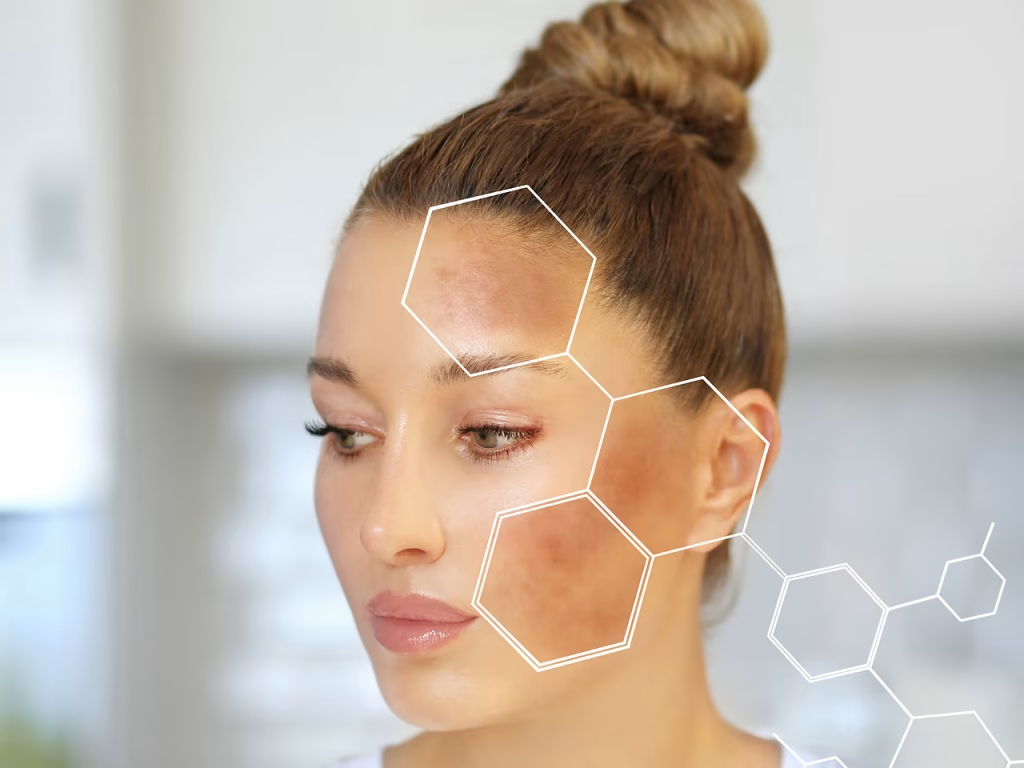
Understanding the underlying causes of melasma is key to addressing it effectively. Several factors contribute to the development of melasma:
- Hormonal Changes: Hormonal fluctuations, especially during pregnancy or with the use of oral contraceptives, can trigger melasma. This condition, often referred to as the “mask of pregnancy,” can be particularly challenging as it affects your appearance during significant
life events. - Sun Exposure: UV radiation from the sun can intensify melasma, darkening existing patches and making them more noticeable. This can add to the frustration of trying to manage and conceal your skin condition.
- Genetics: A genetic predisposition can increase your likelihood of developing melasma, especially if there is a family history of the condition. This can make you feel helpless against a condition you have little control over.
- Skin Type: Melasma is more common in individuals with darker skin tones, where increased melanin production can lead to pronounced pigmentation changes.
Advanced Melasma Treatments at Dermaqure
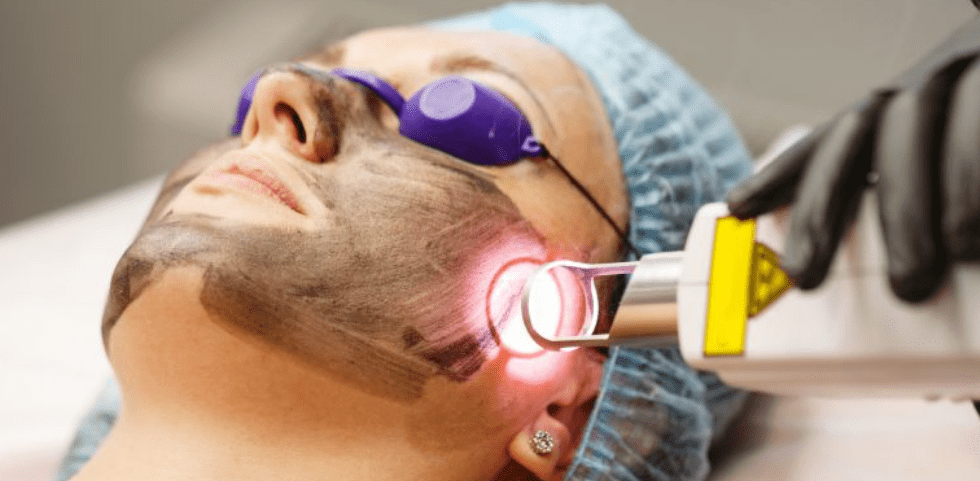
At Dermaqure, we are committed to offering the best melasma treatment in Bangalore, utilizing advanced techniques to address and reduce pigmentation effectively. Our comprehensive treatment options include:
- Chemical Peels: These treatments exfoliate the skin’s outer layers, helping to lighten dark patches and promote a more even skin tone.
- Laser Therapy: Laser treatments target melanin in the skin, breaking up pigment and stimulating collagen production for a smoother, more uniform complexion.
- Intense Pulsed Light (IPL) Therapy: IPL uses light energy to target pigmentation, helping to lighten melasma and improve overall skin texture.
- Topical Treatments: Prescription creams with ingredients such as hydroquinone, tretinoin, and corticosteroids can lighten dark patches and even out your skin tone.
- Microneedling: This technique uses fine needles to stimulate collagen production and enhance the absorption of topical treatments, reducing pigmentation and improving skin texture.
Book An Appointment
Medical Dermatology
Skin Conditions
Hairs Conditions
lasers Conditions
Surgery Conditions
Meet Our Experts


By focusing on advanced treatment options and compassionate care, Dermaqure aims to provide the best melasma treatment in Bangalore, helping you achieve the clear, radiant skin you deserve.
Frequently Asked Questions
Melasma usually appears as symmetrical brown or gray-brown patches, commonly on the face. A dermatologist can examine the pattern and confirm whether it is melasma pigmentation.
Yes. Hormonal changes during pregnancy can stimulate melanin production and cause melasma, sometimes called the mask of pregnancy. Medical assessment can help with pregnancy-related melasma.
Hormonal changes associated with oral contraceptives may trigger or aggravate melasma in some people. Your dermatologist can consider these factors while planning melasma treatment.
A genetic tendency may increase the likelihood of developing melasma. Having a family history does not mean treatment is impossible, but it may influence your melasma care plan.
UV exposure can stimulate pigment production and make existing melasma more visible. Consistent sun protection is an important part of melasma management.
Melasma most commonly affects the face, but pigmentation can occur in other areas as well. A dermatologist can assess unusual pigmentation before choosing melasma therapy.
Yes. Prescription ingredients such as hydroquinone, tretinoin and corticosteroids may be recommended for selected patients. These should be used under medical supervision as part of medical melasma treatment.
Microneedling may be considered to stimulate collagen and improve the absorption of topical treatments. Your dermatologist can decide whether microneedling for melasma is suitable.
Chemical peels can help exfoliate the outer skin layers and reduce the appearance of dark patches. The appropriate chemical peel for melasma depends on your skin and pigmentation.
Melasma can be influenced by hormones and sun exposure, so long-term management may be needed. A dermatologist can create a personalized melasma management plan based on your triggers.
Dermaqure skin and cosmetology clinic was established in 2016 , successfully providng service to all patients with concerns regarding skin, hairs and nails and venereal diseases
Contact
Time
Monday
10:00 AM - 06:00 PM
Tuesday
10:00 AM - 06:00 PM
Wednesday
10:00 AM - 06:00 PM
Thursday
10:00 AM - 06:00 PM
Friday
11:00 AM - 06:00 PM
Saturday
11:00 AM - 05:00 PM
Sunday
Closed
© 2024 Dermaqure copyright all right reserved.
- Terms & Conditions
- Privacy Policy