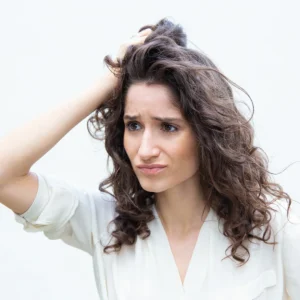
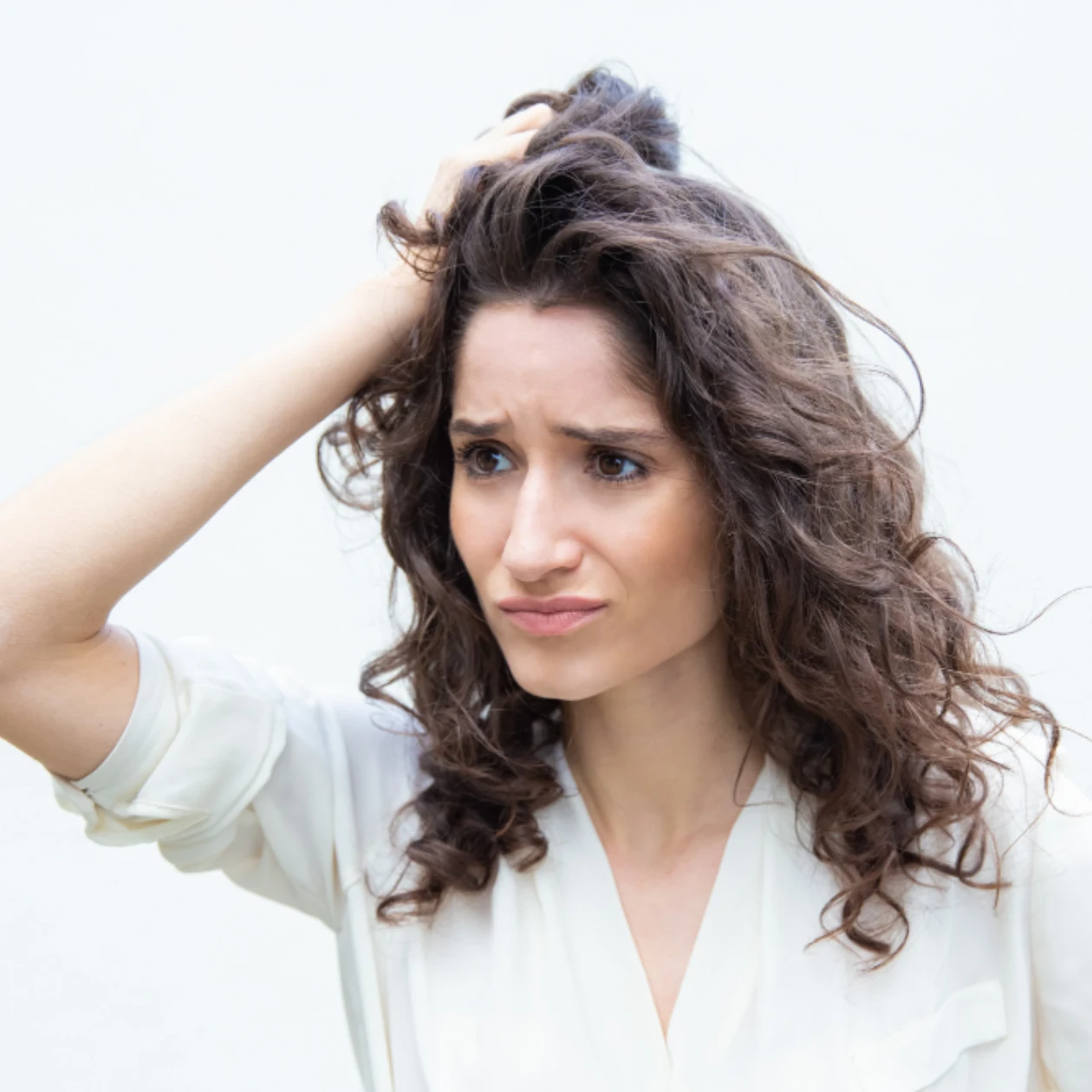
As the first showers bring relief from the summer heat, many people notice an unexpected problem—increased hair fall. If you’ve been seeing more strands on your pillow, in the shower drain, or on your hairbrush during the rainy season, you’re not imagining it.
Monsoon-related hair fall is a common concern, but it is not always normal. While seasonal shedding can occur, excessive hair loss may indicate underlying scalp issues, nutritional deficiencies, hormonal changes, or improper hair care habits that worsen during humid weather.
At Dermaqure Skin & Hair Clinic, we frequently see patients reporting sudden hair fall during the monsoon. With the right diagnosis and timely care, most cases can be managed effectively, preventing long-term thinning and promoting healthier hair growth.
In this guide, we’ll explain why hair fall increases during the rainy season, the most common causes, prevention strategies, and expert treatment options to help you maintain strong, healthy hair.
Why Does Hair Fall Increase During the Rainy Season?
The rainy season creates a unique environment that affects both the scalp and hair. Increased humidity, frequent exposure to rainwater, sweating, pollution, and microbial growth can all contribute to scalp imbalance.
While it is normal to shed 50–100 hairs per day, many individuals notice an increase during seasonal changes. However, if hair loss is persistent, patchy, or accompanied by itching, dandruff, or scalp redness, it is important to consult a dermatologist.
Common Causes of Hair Fall During the Monsoon
- Excess Humidity
Monsoon weather is characterised by high humidity, which can make the scalp excessively oily. Excess oil traps dirt, pollutants, and dead skin cells, creating an ideal environment for dandruff and fungal infections that weaken hair roots.
- Fungal Scalp Infections
Warm and damp conditions encourage the growth of fungi and yeast on the scalp. This may lead to itching, flaking, inflammation, and increased hair shedding if left untreated.
- Rainwater Exposure
Contrary to popular belief, rainwater itself does not directly cause hair fall. However, rainwater in polluted urban environments may contain dust, pollutants, and contaminants that irritate the scalp.
If your hair gets wet in the rain, rinse it with clean water and dry it gently as soon as possible.
- Dandruff Flare-Ups
Humidity often worsens dandruff, causing itching and inflammation. Persistent scratching can weaken hair follicles and contribute to increased hair fall.
- Nutritional Deficiencies
Hair health depends on adequate levels of iron, protein, zinc, vitamin D, vitamin B12, and biotin. Poor nutrition can make seasonal hair shedding more noticeable.
- Stress and Lifestyle Factors
Monsoon illnesses, disrupted routines, poor sleep, and increased stress can all affect the natural hair growth cycle, leading to temporary shedding known as telogen effluvium.
- Existing Hair Disorders
Seasonal weather changes can aggravate conditions such as:
- Androgenetic alopecia (pattern hair loss)
- Alopecia areata
- Seborrhoeic dermatitis
- Psoriasis of the scalp
These conditions require professional evaluation and personalised treatment.
Signs Your Hair Fall Needs Medical Attention
Seasonal shedding is usually temporary, but you should consult a dermatologist if you notice:
- Hair falling in large clumps
- A widening hair part
- Visible scalp through the hair
- Persistent itching or redness
- Painful scalp bumps
- Circular bald patches
- Hair fall lasting longer than 8–12 weeks
- Hair breakage along with excessive shedding
Early diagnosis can prevent progression and improve treatment outcomes.
Common Myths About Monsoon Hair Fall
Myth 1: Rainwater Causes Permanent Hair Loss
Fact: Rainwater itself does not permanently damage hair follicles. The problem is prolonged moisture, pollution, and poor scalp hygiene.
Myth 2: Oiling Every Day Stops Hair Fall
Fact: Excessive oiling can trap dirt and worsen dandruff in humid weather. Use hair oils in moderation and wash them off with a gentle shampoo.
Myth 3: Cutting Your Hair Reduces Hair Fall
Fact: Haircuts improve appearance and remove split ends but do not affect hair growth from the scalp.
Myth 4: Hair Fall During Monsoon Is Always Normal
Fact: Mild seasonal shedding is common, but excessive or prolonged hair loss should be evaluated by a dermatologist.
Daily Hair Care Routine During the Rainy Season
- Keep Your Scalp Clean
Wash your hair 2–3 times a week or as recommended, especially if your scalp becomes oily or sweaty.
- Use a Mild Shampoo
Choose a gentle, sulphate-free shampoo suitable for your scalp type. If you have dandruff, use a medicated anti-dandruff shampoo as prescribed.
- Dry Your Hair Properly
Never tie up wet hair. Damp hair is more prone to breakage and fungal growth. Pat your hair dry with a soft towel and allow it to air dry before styling.
- Avoid Excess Heat Styling
Frequent use of hair dryers, straighteners, and curling irons can weaken already fragile hair.
Eat Right to Keep Hair Strong During the Monsoon
Healthy hair begins with proper nutrition. During the rainy season, digestive infections, poor eating habits, and reduced intake of fresh foods can contribute to nutritional deficiencies that affect hair growth.
Include These Hair-Friendly Foods
Protein
Hair is primarily made of keratin, a protein. Include:
- Eggs
- Paneer
- Fish
- Chicken
- Lentils
- Soy products
Iron-Rich Foods
Iron deficiency is a common cause of hair fall, especially in women.
Choose:
- Spinach
- Beetroot
- Dates
- Lean meat
- Beans
Omega-3 Fatty Acids
These help reduce inflammation and nourish the scalp.
Sources include:
- Salmon
- Walnuts
- Flaxseeds
- Chia seeds
Vitamin C
Vitamin C improves iron absorption and supports collagen production.
Eat:
- Oranges
- Guava
- Kiwi
- Amla
- Bell peppers
Zinc & Biotin
Essential for healthy hair follicles.
Sources:
- Pumpkin seeds
- Almonds
- Peanuts
- Whole grains
- Eggs
Common Hair Care Mistakes During the Rainy Season
Many people unknowingly worsen hair fall through everyday habits.
Using Very Hot Water
Hot water strips away natural scalp oils, causing dryness and irritation.
Sharing Combs and Towels
This increases the risk of fungal and bacterial infections.
Sleeping with Wet Hair
A damp scalp encourages fungal growth and weakens hair roots.
Excessive Hair Styling
Tight ponytails, buns, and braids can cause traction hair loss.
Frequent Chemical Treatments
Hair colouring, bleaching, rebonding, or smoothening during periods of active hair fall may further weaken the hair shaft.
Dermatologist-Approved Treatments for Monsoon Hair Fall
If hair fall continues despite proper care, professional treatment may be required. At Dermaqure Skin & Hair Clinic, treatment is tailored after identifying the underlying cause.
Medical Evaluation
Your dermatologist may recommend:
- Scalp examination
- Hair pull test
- Trichoscopy (digital scalp analysis)
- Blood tests for iron, vitamin D, thyroid function, and vitamin B12 if indicated
This helps identify the root cause rather than simply treating the symptoms.
Prescription Medications
Depending on the diagnosis, treatment may include:
- Medications to reduce inflammation
- Anti-dandruff or antifungal shampoos
- Topical solutions to support hair growth
- Nutritional supplements if deficiencies are confirmed
All medications should be used under medical supervision.
Platelet-Rich Plasma (PRP) Therapy
PRP therapy uses growth factors from your own blood to stimulate hair follicles.
Benefits include:
- Reduced hair shedding
- Improved hair density
- Enhanced scalp health
- Support for natural hair growth
PRP is commonly recommended for suitable patients with pattern hair loss and certain other forms of thinning.
Growth Factor Therapy
Growth factor–based treatments aim to nourish weakened follicles and improve the hair growth cycle. These therapies may be recommended depending on the type and stage of hair loss.
Low-Level Laser Therapy (LLLT)
Low-level laser therapy uses light energy to stimulate hair follicles and may be beneficial for some patients when combined with other treatments.
How to Prevent Hair Fall During the Rainy Season
Follow these dermatologist-recommended tips:
✔ Wash your scalp regularly with a suitable shampoo.
✔ Rinse your hair after getting caught in the rain.
✔ Keep your scalp clean and dry.
✔ Avoid sharing hair accessories.
✔ Eat a balanced, protein-rich diet.
✔ Stay hydrated.
✔ Manage stress with adequate sleep and exercise.
✔ Avoid excessive heat styling.
✔ Protect your hair from prolonged rain exposure with an umbrella or hood.
✔ Seek early treatment for dandruff, itching, or scalp infections.
When Should You See a Dermatologist?
Book an appointment if you notice:
- Hair fall lasting more than two months
- Rapid thinning or widening of the hair part
- Bald patches
- Severe dandruff with itching
- Pain, redness, or swelling of the scalp
- Hair loss after illness or medication
- Hair fall associated with hormonal conditions such as PCOS or thyroid disorders
Early diagnosis often leads to better outcomes.
Why Choose Dermaqure Skin & Hair Clinic?
At Dermaqure, we believe that successful hair restoration starts with identifying the root cause of hair loss. Our dermatologists create personalised treatment plans based on your scalp condition, lifestyle, and medical history.
Our approach includes:
- Comprehensive scalp assessment
- Evidence-based treatments
- Personalised hair care advice
- Advanced hair restoration procedures when appropriate
- Ongoing follow-up to monitor progress
Our goal is not only to reduce hair fall but also to improve long-term scalp and hair health.
Frequently Asked Questions
- Is hair fall during the rainy season normal?
Mild seasonal shedding can occur, but excessive or prolonged hair fall should be evaluated by a dermatologist.
- Does rainwater directly cause hair loss?
Rainwater does not permanently damage hair follicles, but polluted rainwater and prolonged moisture may irritate the scalp.
- How often should I wash my hair during the monsoon?
This depends on your scalp type. Many people benefit from washing their hair 2–3 times a week, or more often if the scalp becomes very oily.
- Should I oil my hair during the rainy season?
Hair oil can be used in moderation if it suits your scalp, but leaving oil on for prolonged periods may worsen dandruff in some individuals.
- Which vitamin deficiency causes hair fall?
Deficiencies in iron, vitamin D, vitamin B12, zinc, and protein are commonly associated with hair shedding.
- Can dandruff increase hair fall?
Yes. Persistent dandruff can cause inflammation and itching, which may contribute to hair shedding.
- Is PRP therapy safe?
PRP uses your own blood components and is generally considered safe when performed by trained medical professionals for appropriate candidates.
- When should I seek medical advice?
If hair fall is severe, lasts for several weeks, or is associated with scalp symptoms or visible thinning, consult a dermatologist.
Conclusion
The rainy season can bring unique challenges for your scalp and hair, but excessive hair fall is not something you have to accept as inevitable. While seasonal changes may contribute to temporary shedding, persistent hair loss often points to an underlying issue such as dandruff, nutritional deficiencies, hormonal imbalance, stress, or an existing scalp condition.
The key to healthier hair is understanding the root cause rather than relying on home remedies or over-the-counter products alone. A personalised treatment plan, combined with good scalp hygiene, balanced nutrition, and timely dermatological care, can help reduce hair fall and support stronger, healthier hair growth.
If you’re experiencing noticeable hair loss this monsoon, don’t wait for it to worsen. Consult the experts at Dermaqure Skin & Hair Clinic for a comprehensive scalp evaluation and a treatment plan tailored to your individual needs. Taking action early can make a significant difference in preserving your hair and restoring your confidence