

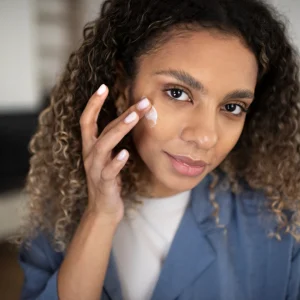
Many people invest in good-quality sunscreen and apply it every day, yet they still notice their skin becoming darker during summer. This often leads to frustration and the misconception that sunscreen does not work.
The truth is that sunscreen is only one part of protecting your skin. Factors such as incorrect application, prolonged sun exposure, sweating, pollution, heat, hormonal changes, and even blue light from digital devices can contribute to tanning and pigmentation.
At Dermaqure Skin & Hair Clinic, one of the most common questions dermatologists receive during summer is:
“Why am I getting darker even though I never skip sunscreen?”
Understanding the reasons behind this can help you take the right steps to protect your skin and maintain an even complexion.
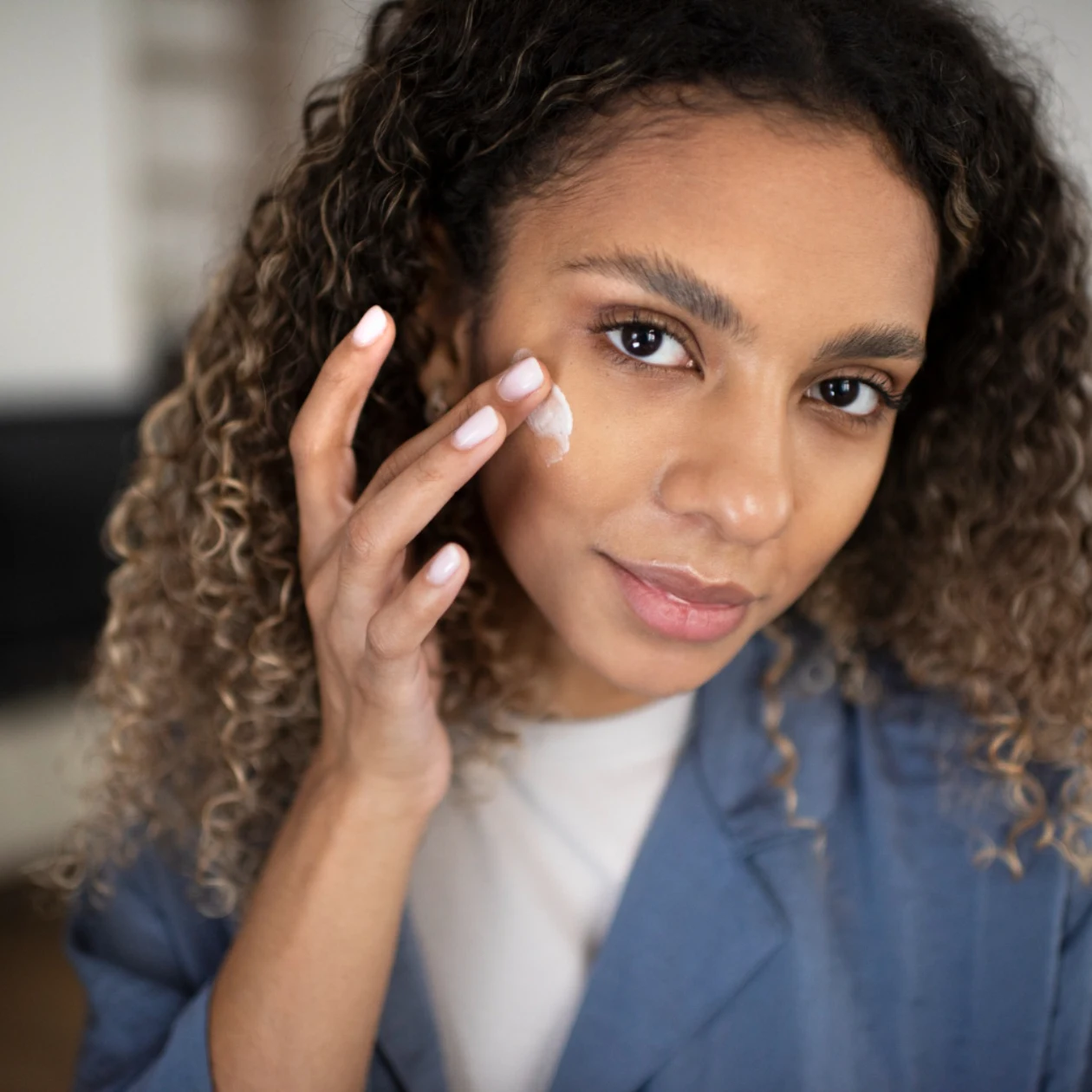
Understanding How Skin Protects Itself
Your skin contains specialized cells called melanocytes, which produce a pigment known as melanin. Melanin acts as your body’s natural defense against ultraviolet (UV) radiation.
When your skin is exposed to sunlight, melanocytes produce more melanin to protect the deeper layers of the skin. This increased melanin production appears as tanning or skin darkening.
This process is completely natural but repeated exposure without adequate protection can lead to uneven pigmentation and premature ageing.
Why Sunscreen Alone May Not Be Enough
Many people assume sunscreen blocks 100% of UV rays.
Unfortunately, no sunscreen can completely prevent UV exposure.
Even SPF 50 blocks approximately 98% of UVB rays, meaning a small percentage still reaches the skin. When combined with prolonged outdoor exposure, heat, humidity, and improper application, this can still result in tanning.
Common Reasons Your Skin Gets Darker Despite Using Sunscreen
- Applying Too Little Sunscreen
This is the most common mistake.
Most adults need approximately two finger lengths of sunscreen for the face and neck and a generous amount for exposed body parts.
Using only a small amount significantly reduces the SPF protection.
- Not Reapplying Sunscreen
Sunscreen gradually wears off due to:
- Sweating
- Oil production
- Washing the face
- Touching the skin
- Outdoor activities
Dermatologists recommend reapplying sunscreen every two to three hours when outdoors.
- Choosing the Wrong Sunscreen
Not every sunscreen suits every skin type.
People with oily skin may avoid sunscreen because it feels greasy, while those with dry skin may choose products that do not provide enough hydration.
An ideal sunscreen should offer:
- Broad-spectrum protection
- SPF 30 or higher
- PA+++ or PA++++ protection
- Water resistance if spending time outdoors
- Heat Can Trigger Pigmentation
Many people believe only sunlight causes pigmentation.
However, heat itself can stimulate pigment-producing cells, especially in individuals with melasma or post-inflammatory pigmentation.
Cooking near a stove, working outdoors, or spending long periods in hot environments may worsen pigmentation.
- Hormonal Changes
Conditions such as melasma are influenced by hormones.
Pregnancy, thyroid disorders, oral contraceptive pills, and hormonal imbalance may cause stubborn pigmentation that worsens with even minimal sun exposure.
- Blue Light Exposure
Recent research suggests prolonged exposure to visible blue light from digital devices may contribute to pigmentation in certain skin types, particularly darker skin tones.
Although more research is ongoing, limiting unnecessary screen exposure and using sunscreens that protect against visible light may be beneficial.
- Pollution
Air pollution generates free radicals that damage skin cells and accelerate pigmentation, dullness, and premature ageing.
Daily cleansing and antioxidant skincare help minimise these effects.
Summer Skin Problems That Often Accompany Tanning
Apart from tanning, summer may also lead to:
- Sunburn
- Uneven pigmentation
- Melasma
- Acne flare-ups
- Excess oil production
- Dehydration
- Enlarged pores
- Heat rash
Addressing these concerns early can prevent long-term skin damage.
Signs That Your Skin Is Experiencing Sun Damage
Watch for these symptoms:
- Persistent tanning
- Brown patches
- Freckles becoming darker
- Uneven skin tone
- Dryness
- Rough texture
- Fine lines
- Increased sensitivity
If these signs persist despite using sunscreen, it is advisable to consult a dermatologist.
How Dermatologists Diagnose Pigmentation
At Dermaqure, diagnosis begins with understanding your medical history, lifestyle, and skincare routine.
The dermatologist may assess:
- Skin type
- Pigmentation pattern
- Sun exposure habits
- Hormonal factors
- Previous treatments
- Current skincare products
This helps identify the root cause and create a personalised treatment plan.
Effective Treatments for Summer Pigmentation
Treatment depends on the type and severity of pigmentation.
Options may include:
Medical-grade depigmenting creams
These help reduce excess melanin production under medical supervision.
Chemical Peels
Superficial peels help remove pigmented skin cells and improve overall skin tone.
Laser Toning
Laser treatments target excess pigmentation while promoting healthier-looking skin.
HydraFacial
HydraFacial deeply cleanses, hydrates, and refreshes dull summer skin.
Microneedling
Microneedling encourages collagen production and improves overall skin texture.
Treatment recommendations should always be personalised after evaluation by a qualified dermatologist.
Daily Summer Skincare Routine
Morning:
- Gentle cleanser
- Vitamin C serum
- Moisturiser
- Broad-spectrum sunscreen
Afternoon:
- Reapply sunscreen
- Wear sunglasses and a wide-brimmed hat if outdoors
Night:
- Cleanser
- Hydrating serum
- Moisturiser
- Prescription treatment if advised by your dermatologist
Consistency is more important than using multiple products.
Foods That Promote Healthy Skin
A balanced diet supports skin health from within.
Include:
- Citrus fruits
- Tomatoes
- Carrots
- Spinach
- Berries
- Nuts
- Seeds
- Green tea
- Plenty of water
These provide antioxidants that help protect the skin from oxidative stress.
Common Sunscreen Mistakes
- Applying sunscreen only once a day
- Forgetting the ears, neck, and hands
- Using expired sunscreen
- Skipping sunscreen on cloudy days
- Applying sunscreen after stepping outdoors
- Not wearing protective clothing
Correcting these habits can significantly improve sun protection.
Myths vs Facts
Myth: Darker skin does not need sunscreen.
Fact: All skin tones can develop sun damage and pigmentation.
Myth: Higher SPF means you never need to reapply.
Fact: Reapplication is essential for continued protection.
Myth: Staying indoors completely protects your skin.
Fact: UVA rays can penetrate glass, and indoor lighting and screens may also contribute to skin stress.
When Should You Visit a Dermatologist?
Seek professional advice if you notice:
- Persistent tanning that does not fade
- Brown patches on the face
- Sudden pigmentation changes
- Melasma
- Uneven skin tone despite skincare
- Acne marks becoming darker
- Skin sensitivity after sun exposure
Early treatment often delivers better and faster results.
Why Choose Dermaqure Skin & Hair Clinic?
At Dermaqure, every skin is unique. Our dermatologists focus on identifying the underlying cause of pigmentation rather than simply treating the visible symptoms.
With personalised treatment plans, advanced dermatological procedures, and evidence-based skincare guidance, we help patients achieve healthier, brighter, and more even-toned skin while prioritising long-term skin health.
Conclusion
Summer tanning and pigmentation are common, but they are not inevitable. While sunscreen is an essential part of sun protection, it works best when combined with the right application technique, timely reapplication, protective clothing, healthy skincare habits, and professional guidance when needed.
If your skin continues to darken despite regular sunscreen use, it may be time to look beyond SPF alone. Consulting a qualified dermatologist can help identify the underlying cause and provide personalised solutions that are both safe and effective.
At Dermaqure Skin & Hair Clinic, our goal is to help you enjoy healthy, radiant skin throughout the year with treatments tailored to your individual needs.
Frequently Asked Questions (FAQs)
- Why am I getting tanned even after using SPF 50 sunscreen?
SPF 50 provides excellent protection but does not block 100% of UV rays. Incorrect application, lack of reapplication, prolonged sun exposure, and heat can still contribute to tanning. - How often should sunscreen be reapplied?
Every two to three hours when outdoors, or more frequently after sweating or swimming. - Can pigmentation be reversed?
Many types of pigmentation can improve with dermatologist-recommended treatments and consistent sun protection. - Is sunscreen enough to prevent tanning?
No. Protective clothing, seeking shade, avoiding peak sun hours, and a good skincare routine are also important. - Does blue light cause pigmentation?
Some studies suggest visible blue light may contribute to pigmentation in certain skin types, although research is ongoing. - Which SPF is best for Indian skin?
A broad-spectrum sunscreen with SPF 30 or higher and PA+++ or PA++++ is generally recommended for daily use. - Can chemical peels help with summer pigmentation?
Yes, when performed by a qualified dermatologist, chemical peels can help improve uneven skin tone and pigmentation. - When should I consult a dermatologist for tanning?
If your tanning persists, worsens, or is accompanied by patchy pigmentation or other skin concerns, a dermatologist can assess the cause and recommend appropriate treatment.