

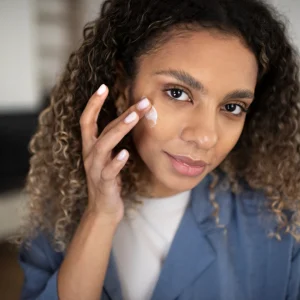
For years, skincare has focused on correcting wrinkles after they appear. Today, dermatologists recommend a smarter approach—preventing collagen loss before visible ageing begins. This concept is known as Collagen Banking.
Rather than waiting until fine lines, sagging skin, or loss of elasticity become noticeable, collagen banking encourages protecting and stimulating your skin’s collagen while it is still abundant. Think of it as investing in your skin’s future. The more collagen you preserve today, the healthier and firmer your skin is likely to remain in the years ahead.
At Dermaqure Skin & Hair Clinic, many individuals in their late 20s and early 30s ask, “Should I start anti-ageing treatments now, or am I too young?” The answer depends less on your age and more on the condition of your skin and lifestyle.
This guide explains everything you need to know about collagen banking, why it matters, and how you can maintain youthful, healthy skin through evidence-based skincare and dermatologist-guided treatments.

What Is Collagen?
Collagen is the most abundant structural protein in the body. It acts like the framework that keeps your skin firm, smooth, elastic, and resilient.
Healthy collagen contributes to:
• Firmer skin
• Better elasticity
• Fewer wrinkles
• Faster skin healing
• Improved hydration
• Even skin texture
• Reduced pore visibility
When collagen levels decline, the skin gradually loses support, resulting in fine lines, laxity, dullness, and uneven texture.
What Is Collagen Banking?
Collagen banking refers to protecting your existing collagen while encouraging your body to produce more through healthy habits, medical-grade skincare, and dermatologist-approved procedures.
Instead of reversing advanced ageing, collagen banking aims to slow down the ageing process before significant collagen loss occurs.
This proactive approach has become increasingly popular because prevention often delivers better long-term results than correction alone.
At What Age Does Collagen Loss Begin?
Many people believe collagen loss starts in their 40s or 50s. In reality, collagen production begins to decline from the mid-20s.
On average, adults lose about 1% of collagen each year after their mid-20s. Factors such as prolonged sun exposure, smoking, pollution, chronic stress, poor sleep, unhealthy diet, and hormonal changes can accelerate this decline.
By the time visible wrinkles appear, collagen loss has often been occurring for years.
Signs Your Skin May Be Losing Collagen
Early collagen loss is subtle. You may notice:
• Fine lines around the eyes
• Mild skin laxity
• Dull complexion
• Enlarged pores
• Slower wound healing
• Loss of firmness
• Uneven skin texture
• Skin that appears tired despite adequate rest
Recognising these early signs allows timely intervention.
Why Does Collagen Break Down Faster?
1. Excessive Sun Exposure
Ultraviolet (UV) rays are one of the leading causes of collagen breakdown. Prolonged exposure without proper sun protection damages collagen fibres and accelerates premature ageing.
2. Smoking
Smoking reduces blood flow to the skin and increases oxidative stress, which damages collagen and elastin. It is also associated with delayed wound healing and more pronounced wrinkles.
3. Poor Diet
A diet high in processed foods and refined sugars may contribute to the formation of advanced glycation end products (AGEs), which can affect collagen quality over time.
4. Lack of Sleep
During sleep, the body repairs tissues and supports collagen production. Chronic sleep deprivation can impair this process and contribute to dull, tired-looking skin.
5. Chronic Stress
Long-term stress elevates cortisol levels, which may interfere with normal skin repair mechanisms and collagen maintenance.
6. Pollution
Airborne pollutants generate free radicals that contribute to oxidative damage, leading to premature ageing and collagen degradation.
Why Prevention Is Better Than Correction
Treating deep wrinkles and advanced skin laxity often requires multiple procedures and longer recovery periods.
By focusing on collagen preservation early, you can:
• Delay visible signs of ageing
• Improve skin resilience
• Maintain a smoother texture
• Reduce the need for more intensive treatments later
• Support long-term skin health
Collagen banking is not about looking artificially younger—it is about helping your skin age in a healthier, more graceful way.
Habits That Help Protect Your Collagen
Simple daily habits can make a meaningful difference:
• Apply a broad-spectrum sunscreen every day.
• Wear protective clothing and sunglasses outdoors.
• Follow a consistent skincare routine.
• Eat a balanced diet rich in fruits, vegetables, and protein.
• Stay hydrated.
• Avoid smoking and limit alcohol consumption.
• Aim for 7–8 hours of quality sleep each night.
• Exercise regularly to support overall circulation and health.
Skincare Ingredients That Support Collagen
Certain ingredients have evidence supporting their role in maintaining healthy skin:
Retinoids
Retinoids promote skin cell turnover and stimulate collagen production when used appropriately under professional guidance.
Vitamin C
Vitamin C is an antioxidant that supports collagen synthesis and helps protect the skin from free radical damage.
Peptides
Peptides are short chains of amino acids that may support skin repair and improve firmness.
Niacinamide
Niacinamide strengthens the skin barrier, reduces inflammation, and complements other anti-ageing ingredients.
Hyaluronic Acid
Although it does not create collagen, hyaluronic acid improves hydration and gives the skin a plumper appearance.
Professional Treatments That Support Collagen
Dermatologists may recommend treatments based on individual skin concerns, age, and goals.
These may include:
• Microneedling
• Radiofrequency Microneedling
• High-Intensity Focused Ultrasound (HIFU)
• Platelet-Rich Plasma (PRP)
• Fractional Laser Skin Rejuvenation
• Collagen-stimulating injectable treatments
• Chemical Peels
These procedures should always be performed after a thorough consultation to determine whether they are appropriate for your skin.
Collagen Banking in Your 20s & 30s: The Secret to Younger-Looking Skin for Years
How Does a Dermatologist Decide Which Collagen Treatment Is Right for You?
Every person’s skin ages differently. Factors such as genetics, lifestyle, sun exposure, hormonal changes, stress, and previous skincare habits all influence collagen loss.
At Dermaqure Skin & Hair Clinic, a dermatologist evaluates:
• Your age and skin type
• Existing fine lines or wrinkles
• Skin elasticity
• Pigmentation and sun damage
• Acne scars
• Hydration levels
• Lifestyle and medical history
• Your skincare goals
Based on this assessment, a personalized treatment plan is created instead of recommending the same procedure for everyone.
The Best Daily Routine to Protect Your Collagen
A simple, consistent skincare routine is more effective than using multiple products without guidance.
Morning Routine
Step 1: Gentle Cleanser
Use a mild cleanser that removes dirt and excess oil without damaging your skin barrier.
Step 2: Antioxidant Serum
A Vitamin C serum helps protect the skin from pollution and UV-induced free radical damage while supporting collagen production.
Step 3: Moisturizer
Choose a moisturizer suited to your skin type to maintain hydration and strengthen the skin barrier.
Step 4: Sunscreen
Apply a broad-spectrum sunscreen with SPF 30 or higher every morning, even on cloudy days. Reapply every 2–3 hours if you are outdoors.
Night Routine
Nighttime is when your skin naturally repairs itself.
A simple routine may include:
• Gentle cleanser
• Retinoid (only if advised by your dermatologist)
• Hydrating serum
• Moisturizer
Consistency is more important than using too many products.
Foods That Naturally Support Collagen Production
Healthy skin starts with good nutrition.
Include these collagen-supporting foods in your diet:
Protein-Rich Foods
• Eggs
• Fish
• Chicken
• Lentils
• Paneer
Vitamin C-Rich Fruits
• Oranges
• Guava
• Kiwi
• Amla
• Strawberries
Healthy Fats
• Almonds
• Walnuts
• Flaxseeds
• Chia seeds
Green Vegetables
• Spinach
• Broccoli
• Kale
• Capsicum
Stay Hydrated
Water helps maintain skin hydration and supports overall skin function.
Lifestyle Habits That Accelerate Skin Ageing
Even the best skincare routine cannot completely offset unhealthy lifestyle habits.
Avoid:
• Smoking
• Excessive alcohol consumption
• Sleeping less than 6 hours regularly
• Chronic stress
• Excess sugar intake
• Skipping sunscreen
• Frequent tanning
• Over-exfoliating your skin
Common Signs That You Should Visit a Dermatologist
Book an appointment if you notice:
• Wrinkles appearing earlier than expected
• Sagging skin
• Persistent dullness
• Uneven skin tone
• Enlarged pores
• Acne scars
• Loss of skin firmness
• Dry, dehydrated skin despite using moisturizers
Early intervention often produces better long-term results than waiting for advanced signs of ageing.
Myths vs Facts
Myth 1: Anti-ageing treatments are only for people above 40.
Fact: Preventive skincare and collagen support can begin much earlier, depending on individual skin needs.
Myth 2: Expensive skincare products automatically increase collagen.
Fact: The effectiveness of skincare depends on scientifically proven ingredients, consistency, and suitability for your skin—not just the price.
Myth 3: Drinking collagen supplements alone will completely prevent ageing.
Fact: While some studies suggest collagen supplements may support skin health in certain individuals, they work best when combined with a healthy lifestyle, sun protection, and appropriate skincare.
Myth 4: Once collagen is lost, it can be completely restored.
Fact: Modern dermatology treatments can stimulate new collagen production and improve skin quality, but prevention remains the most effective long-term strategy.
Why Professional Guidance Matters
Social media trends often promote multiple active ingredients without considering skin type or existing conditions.
Using products incorrectly may lead to:
• Skin irritation
• Barrier damage
• Increased sensitivity
• Pigmentation
• Breakouts
Consulting a qualified dermatologist ensures that your skincare routine is safe, evidence-based, and tailored to your skin.
Why Choose Dermaqure Skin & Hair Clinic?
At Dermaqure Skin & Hair Clinic, we believe that healthy skin is achieved through accurate diagnosis, personalized care, and scientifically backed treatments.
Our dermatologists focus on understanding your skin concerns and designing treatment plans that support long-term skin health rather than offering temporary cosmetic solutions.
Whether you are looking to prevent early ageing, improve skin texture, treat acne scars, or maintain youthful skin, our team provides comprehensive care using modern dermatological techniques and evidence-based practices.
Conclusion
Collagen is one of the most important building blocks of healthy, youthful skin. Although collagen loss is a natural part of ageing, the choices you make today can significantly influence how your skin looks and feels in the future.
Protecting your skin from sun damage, following a consistent skincare routine, maintaining a balanced diet, and seeking timely dermatological advice can help preserve collagen and support healthier skin for years to come.
If you are beginning to notice early signs of ageing or simply want to invest in your skin’s future, consult the dermatologists at Dermaqure Skin & Hair Clinic. A personalized approach to collagen banking can help you maintain naturally healthy, radiant skin at every stage of life.
Frequently Asked Questions (FAQs)
1. What is collagen banking?
Collagen banking is the process of protecting existing collagen while encouraging new collagen production through healthy habits, skincare, and dermatologist-recommended treatments.
2. At what age should I start collagen banking?
Most dermatologists recommend adopting collagen-friendly habits in your mid-20s, as collagen production naturally begins to decline around this time.
3. Can collagen loss be prevented completely?
No. Ageing is natural, but healthy lifestyle choices and proper skincare can slow collagen loss and improve skin quality.
4. Is sunscreen important for collagen protection?
Yes. Daily sunscreen use is one of the most effective ways to protect collagen from UV damage.
5. Which foods help increase collagen?
Protein-rich foods, citrus fruits, berries, leafy vegetables, nuts, seeds, and foods rich in Vitamin C support healthy collagen production.
6. Which dermatology treatments stimulate collagen?
Depending on your skin condition, treatments such as Microneedling, Radiofrequency Microneedling, PRP, HIFU, Fractional Laser Therapy, and collagen-stimulating injectables may be recommended.
7. Are collagen supplements necessary?
Not everyone needs supplements. A dermatologist can advise whether they may be beneficial based on your overall health and skincare goals.
8. Does stress affect collagen?
Yes. Long-term stress may interfere with skin repair mechanisms and contribute to premature ageing.
9. Can collagen banking reduce wrinkles?
Collagen-supporting treatments and skincare may improve skin firmness and reduce the appearance of fine lines over time, but results vary depending on age and skin condition.
10. Why should I consult a dermatologist before starting anti-ageing treatments?
A dermatologist can assess your skin, identify the underlying causes of ageing concerns, and recommend treatments that are appropriate, safe, and tailored to your individual needs.