

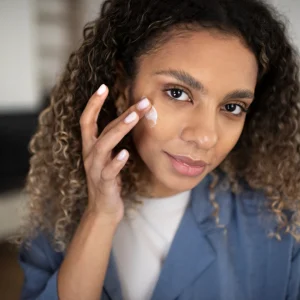
 A Real Concern, Not Just a Cosmetic Issue
Pigmentation is one of the most searched skin concerns today—and for good reason. Whether it’s stubborn dark spots, uneven skin tone, or patches that won’t fade, pigmentation can affect both appearance and confidence.
Many people try random creams or home remedies, only to feel frustrated when nothing works. The truth is: pigmentation is complex, and treating it requires understanding the root cause—not just the surface.
What Exactly Is Pigmentation?
Pigmentation occurs when your skin produces excess melanin—the pigment responsible for your skin color. This excess melanin forms deposits in certain areas, leading to dark spots or uneven patches.
But not all pigmentation is the same. And this is where most people go wrong.
Types of Pigmentation (And Why It Matters)
- Melasma (Hormonal Pigmentation)
Often seen on cheeks, forehead, and upper lip
Triggered by hormones, pregnancy, or sun exposure
More common in women
👉 This type is deeper and requires professional treatment.
- Post-Inflammatory Hyperpigmentation (PIH)
Occurs after acne, burns, or skin injury
Leaves behind dark marks after healing
👉 Common in acne-prone skin and often mistaken for scars.
- Sunspots (Age Spots)
Caused by prolonged sun exposure
Usually appears on face and hands
👉 Preventable with proper sun protection.
- Freckles
Genetic and triggered by sun exposure
Can darken during summers
Why Your Pigmentation Isn’t Going Away
This is where most skincare routines fail:
- Using over-the-counter creams without diagnosis
- Skipping sunscreen (biggest mistake)
- Treating all pigmentation the same way
- Stopping treatment midway
Pigmentation often lies in deeper skin layers—so surface-level products alone don’t work effectively.
The Modern Treatment Approach (What Actually Works in 2026)
Today, dermatology has evolved beyond basic creams. The focus is now on combination treatments for faster and long-lasting results.
- Medical-Grade Chemical Peels
Instead of harsh exfoliation, advanced peels:
- Target melanin deposits
- Improve skin clarity
- Brighten dull complexion
Best for: Mild pigmentation and uneven tone
- Laser Toning & Pigmentation Reduction
Laser treatments are one of the most effective solutions today:
- Break down deep pigmentation
- Stimulate collagen
- Even out skin tone
Best for: Stubborn and deep pigmentation
- Skin Boosters & Glow Therapy
Hydration-based treatments that:
- Improve overall skin quality
- Enhance radiance
- Support pigmentation recovery
- Prescription Skincare (Customized)
Dermatologist-prescribed routines may include:
- Retinoids
- Skin-lightening agents
- Barrier-repair creams
👉 This is always tailored—never one-size-fits-all.
What Results Can You Expect?
Let’s be realistic—pigmentation doesn’t disappear overnight.
- Mild cases: improvement in 3–4 weeks
- Moderate cases: 2–3 months
- Deep pigmentation: requires multiple sessions
Consistency is the key.
Daily Habits That Make or Break Your Results
✔ Sunscreen Is Non-Negotiable
If you do only one thing—make it sunscreen. Without it, no treatment will work.
✔ Gentle Skincare Wins
Avoid aggressive scrubs and over-experimenting.
✔ Hydration Matters
Healthy skin heals faster and responds better to treatment.
Common Myths About Pigmentation
“Natural remedies can cure pigmentation”
→ Most provide temporary results at best
“Expensive creams work faster”
→ Not true without the right ingredients
“Laser is dangerous”
→ Safe when done by experts
When Should You Seek Professional Help?
- Pigmentation is spreading
- No improvement with home care
- Uneven patches getting darker
- Acne marks not fading
Early treatment always gives better results.
The Confidence Factor
Clear skin isn’t just about looks—it’s about feeling comfortable without makeup, filters, or hiding behind layers.
Treating pigmentation is not vanity—it’s self-care.
Final Thoughts
Pigmentation is treatable—but only when approached correctly. The combination of right diagnosis, advanced treatments, and consistent skincare can transform your skin over time.
Instead of trying random solutions, choosing expert-guided treatment can save both time and effort.